
Catalog Categories
Scroll down for machinery
Technical
More good things to come for the benefit of this small part of the world.
 Engineering: Sewn Products
Apparel engineering tasks focus on optimizing how clothing is designed for manufacturing, produced on the factory floor, and delivered on time at target cost and quality.
Process & Method Engineering: Break down garment assembly into steps, select machines, and establish Standard Minute Values (SMV) through time and motion studies.
Line Balancing & Layout: Design efficient floor layouts, balance workloads across sewing lines, and clear production bottlenecks.
Cost & Material Optimization: Calculate fabric consumption, improve marker efficiency, and reduce fabric and time waste.
Quality & Productivity Control: Track hourly output, set operator targets, run quality checks, and train workers on methods and safety.
The top 20 essential skills and concepts to master are categorized below by core discipline:
I. Garment Construction & Technical Design
1. Pattern Making & Grading: Learn how to draft flat patterns from scratch and systematically scale sizes up or down (grading) while maintaining garment proportions.
2. 3D CAD & Virtual Prototyping: Master industry-standard software like CLO 3D, Browzwear (VStitcher), or Gerber AccuMark to simulate fit, drape, and fabric physics before cutting physical samples.
3. Tech Pack Creation: Understand how to build comprehensive Technical Packages containing flat sketches, bill of materials (BOM), construction callouts, and graded spec sheets.
4. Fit Analysis & Alterations: Develop an eye for diagnosing fit issues on live models or dress forms (such as drag lines, pulling, or gapping) and translating those fixes back onto the pattern.
5. Anthropometrics & Sizing Standards: Study human body measurements, posture variations, and regional sizing standards (e.g., ASTM) to build accurate base blocks.
II. Textile & Material Science
6. Fiber & Yarn Properties: Understand the performance differences between natural fibers (cotton, wool, silk) and synthetics (polyester, nylon, elastane), as well as yarn twist and ply.
7. Fabric Structures: Learn the mechanics of wovens (plain, twill, satin), knits (jersey, rib, interlock), and non-wovens, especially how stretch, recovery, and bias affect sewing.
8. Dyeing, Printing & Finishing: Know how chemical and mechanical finishes (like enzyme washes, waterproofing, or brushing) alter fabric hand-feel, shrinkage, and strength.
9. Trims & Interlinings: Master the selection and application of functional components, including fusible interfacings, zippers, threads, elastic, and hardware.
III. Manufacturing & Factory Operations
10. Industrial Sewing Machinery: Learn the mechanics and applications of lockstitch, overlock (serger), coverstitch, bartack, and automated sewing machines.
11. Stitch & Seam Classifications: Memorize ISO/ASTM stitch types (e.g., 301 lockstitch, 504 overlock) and seam constructions (flat-felled, French, lapped) to choose the strongest, most cost-effective option for each garment zone.
12. Marker Making & Spreading: Learn how to arrange pattern pieces digitally to maximize fabric utilization (yield) and minimize waste during cutting.
13. Production Line Balancing: Understand how to sequence sewing operations, calculate cycle times, and eliminate bottlenecks on a factory floor.
14. Time & Motion Study (GSD): Familiarize yourself with General Sewing Data (GSD) and Standard Allowed Minutes (SAM) to accurately measure labor time and estimate manufacturing costs.
IV. Quality, Compliance & Business
15. Textile & Garment Testing: Know how to interpret lab tests for shrinkage, colorfastness, seam slippage, pilling, and tensile strength (using AATCC and ASTM standards).
16. Quality Control (AQL): Learn how to set tolerances and conduct inline and final inspections using Acceptable Quality Limit (AQL) statistical sampling.
17. Costing & Bill of Materials (BOM): Master the math behind garment costing—calculating fabric consumption, trim costs, cut-make-trim (CMT) labor rates, and duty tariffs.
18. PLM Systems: Gain proficiency in Product Lifecycle Management software (like Centric PLM or Bamboo Rose) to track samples, revisions, and vendor communications.
19. Apparel ERP & Supply Chain: Understand raw material lead times, minimum order quantities (MOQs), and global sourcing logistics.
20. Sustainability & Circularity: Learn eco-design principles, lifecycle assessments (LCA), recycled material certifications (GRS, OEKO-TEX), and zero-waste pattern techniques.
More details to follow in the coming weeks / months / years.
Until this section is fully developed, feel free to browse the site.
* Custom Folders, Binders, Hemmers, Fellers, Guides, Pallets and Clamp Sets for the Sewn Products Industry.
For more information, call or email.
• Phone: (256) 229-6595
• Email: Engineering@CollierEquipment.com
 Technician: Sewn Products
There is a whole lot more training materials coming to this section.
Disclaimer: The service shops listed on this page are provided for informational purposes only. While we strive to ensure that the information is accurate and up-to-date, we cannot guarantee the quality of services provided by these establishments. We recommend that you conduct your own research and due diligence before engaging with any service shop. We are not responsible for any issues or dissatisfaction that may arise from your interactions with these businesses. Please verify any details directly with the service provider.
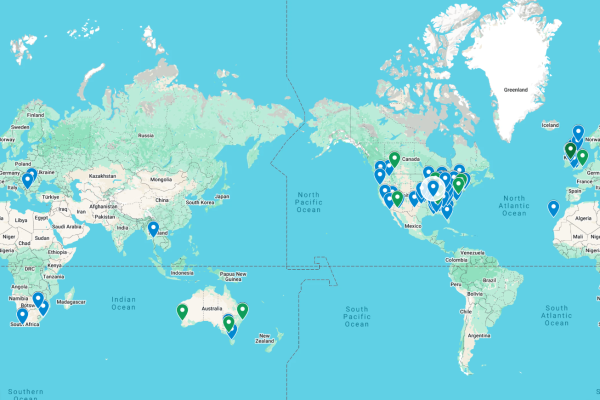
Simply click this Sewing Machine Technicians/Shops - Google My Maps link to take you to the interactive Google Maps Page for Industrial Sewing Machine Technicians from around the world.
If you are a seasoned Industrial Sewing Machine Technician and would like to be added to the map, please send us an email or give us a call.
If you are on this map and would like to be removed, please give us a call or send us an email and make sure you get a response from one of us.
Core Responsibilities
Maintenance & Setup: Perform routine cleaning, lubrication, belt/gear checks, and machine setups for scheduled production runs.
Diagnostics & Repair: Troubleshoot mechanical, timing, tension, feed, motor, and electrical/electronic issues; replace worn or broken parts.
Calibration & Testing: Adjust hook and needle timing, calibrate settings for specific fabrics or work orders, and test machines before returning them to service.
Documentation & Training: Keep service logs, look up parts in manuals, and train operators on proper machine care and safety.
There is a whole lot more training materials coming to this section. It takes patience. Some say that in 50 years, they learn something new every day.
Becoming an expert industrial sewing machine technician requires mastering mechanical timing, electrical and pneumatic systems, hands-on diagnostics, and preventative maintenance across specialized equipment.
Core Mechanics & Timing
Hook-to-Needle Timing: Set exact clearances and timing relationships between the needle, hook/looper, and bobbin case across different stitch types.
Feed System Synchronization: Adjust drop feed, walking foot (compound feed), and needle feed mechanisms so material moves evenly without puckering or skipped stitches.
Tension Systems & Stitch Formation: Balance upper and lower thread tensions and diagnose stitch quality issues on lockstitch, chainstitch, and overlock/serger machines.
Presser Foot & Thread Take-Up Adjustments: Calibrate presser foot height, foot pressure, and thread take-up lever travel for light-to-heavy materials.
Component Interaction & Wear Analysis: Understand how assemblies interact and spot worn bushings, shafts, gears, or cams before they cause catastrophic failure.
Machine Types & Production Features
Lockstitch & Overlock/Serger Platforms: Service single-needle, twin-needle, and multi-thread overlock/flatlock industrial machines.
Specialty & Heavy-Duty Equipment: Maintain walking-foot, buttonhole, bar-tack/button-sewing, and heavy upholstery or technical textile machines.
Pneumatic Systems: Troubleshoot air cylinders, valves, and regulators used for automated presser foot lifters, thread trimmers, and back-tack functions.
Servo Motors & Electronics: Wire, program, and troubleshoot modern clutch-to-servo motor conversions, control boxes, and electronic thread trimmers.
Machine Operating Basics: Run test seams at production speeds to verify smooth operation, sound, and stitch consistency.
Diagnostics, Materials & Maintenance
Root-Cause Troubleshooting: Separate routine maintenance needs from broken or misaligned parts when diagnosing skipped stitches, bird-nesting, or needle breaks.
Baseline "Good Machine" Calibration: Recognize how properly timed and lubricated machines sound, feel, and sew so abnormal wear stands out immediately.
Deep Cleaning & Lubrication: Strip lint, thread waste, and gummed oil from internal cavities, oil wicks, and reservoirs, and set proper lubrication schedules.
Fabric, Needle & Thread Matching: Account for needle point geometries, needle sizes, thread weights, and stretch or density differences across fabrics.
Service Manuals & Technical Schematics: Read OEM parts catalogs, timing charts, and service manuals (such as those from many different brands) to order exact replacement parts and follow factory specs. Technicians also rely on manufacturer service manuals and technical references. A great resource for manuals is Collier Equipment.
Tools, Safety & Shop Workflow
Precision Hand & Measuring Tools: Use feeler gauges, dial indicators, screwdrivers, hex keys, timing gauges, and multimeters accurately without stripping fasteners or scoring shafts.
Workshop & Electrical Safety: Follow lockout/tagout or unplugging habits, eye protection, and compressed-air and electrical safety standards in production shops.
Hands-On Repetition: Build muscle memory and diagnostic speed by practicing adjustments repeatedly across multiple machine models. Guidance from experienced technicians is always helpful that emphasizes hands-on repetition and understanding component interaction separate true repair from basic upkeep.
Preventative Maintenance & Downtime Reduction: Schedule recurring inspections and parts replacements to keep factory lines or studios running with minimal downtime.
Operator Communication: Translate mechanical issues into clear guidance for operators on daily care, threading, and early warning signs.
For structured skill building, we will be posting in-depth instructional how-to videos in the coming days / weeks / months.
* Custom Folders, Binders, Hemmers, Fellers, Guides, Pallets and Clamp Sets for the Sewn Products Industry.
For more information, call or email.
• Phone: (256) 229-6595
• Email: Technician@CollierEquipment.com
Probably headed toward the TechShop now.